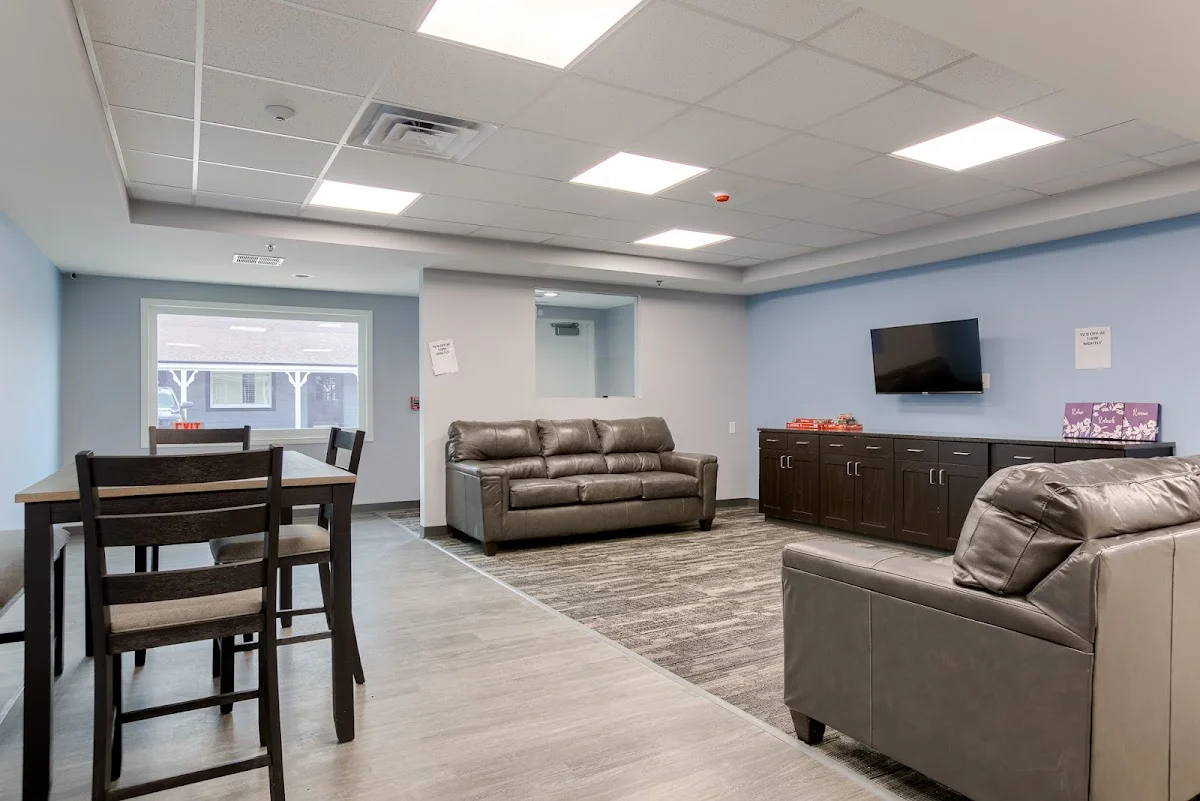

Outpatient addiction treatment programs in Kansas offer a flexible and supportive path to recovery for individuals seeking help with substance use disorders. These programs cater to different levels of care, ensuring that each person's unique needs are met. Understanding the differences between Intensive Outpatient Programs (IOP), Partial Hospitalization Programs (PHP), and standard outpatient services is crucial for making informed decisions about recovery.
Understanding Different Levels of Outpatient Care
强化门诊治疗项目(IOP)
Intensive Outpatient Programs (IOP) provide a structured treatment approach that usually involves multiple sessions per week. These programs are designed for individuals who require more support than traditional outpatient services but do not need 24/7 care.
- 每日日程安排: IOPs typically require 3-5 sessions per week, each lasting 2-4 hours.
- Best Suited For: Those who have completed inpatient treatment or need a step-down from more intensive care, as well as individuals with moderate substance use disorders.
部分住院治疗计划(PHP)
Partial Hospitalization Programs (PHP) offer a more intensive level of care than IOPs and are often considered a bridge between inpatient and outpatient treatment.
- 每日日程安排: PHPs generally involve daily attendance for 5-7 hours, typically 5-7 days a week.
- Best Suited For: Individuals who require significant structure and support due to severe addiction or co-occurring mental health issues.
Standard Outpatient Programs
Standard outpatient programs offer the least intensive level of care, focusing on weekly therapy sessions and support group meetings.
- 每日日程安排: Typically consists of 1-2 sessions per week, each lasting 1-2 hours.
- Best Suited For: Those with mild substance use disorders or individuals who have completed more intensive treatment and need ongoing support.
从住院治疗过渡到门诊治疗
Transitioning from inpatient to outpatient care is a crucial step in the recovery process. Here are some practical action steps to consider:
- Discuss Options: Speak with your treatment team about the best outpatient program for your needs.
- Plan a Schedule: Create a schedule that incorporates outpatient sessions into your daily life while maintaining work or family commitments.
- 保持参与: Attend support groups and therapy sessions consistently to reinforce recovery skills.
成本比较和保险范围
The cost of outpatient treatment can vary significantly depending on the program type, duration, and whether it is in-network with your insurance provider. Here's a general overview:
- 眼压: Costs can range from $3,000 to $10,000 for a 30-day program, depending on the facility.
- PHP: PHPs typically range from $5,000 to $15,000 for a month of treatment.
- 标准门诊: Costs are generally lower, averaging between $1,000 and $5,000 for a month, depending on frequency and provider.
Most insurance plans cover some level of addiction treatment, but it's essential to verify your specific coverage. Contact your insurance provider to determine:
- What types of outpatient programs are covered.
- Any co-pays or deductibles associated with treatment.
- The duration of coverage for each program level.
Finding Outpatient Programs in Kansas
Finding the right outpatient program in Kansas can feel overwhelming, but taking the following steps can simplify the process:
- 研究选项: Use online resources, such as the Substance Abuse and Mental Health Services Administration (SAMHSA) treatment locator or local directories.
- 咨询医疗保健提供者: Speak to your doctor or therapist for recommendations based on your unique needs.
- 参观设施: If possible, visit potential programs to get a feel for the environment and staff.
- Ask About Aftercare: Inquire about aftercare programs or resources available once you complete your outpatient treatment.
结论
Outpatient addiction treatment programs in Kansas provide essential support for individuals on their recovery journey. By understanding the differences between IOP, PHP, and standard outpatient services, individuals can make informed decisions about their treatment options. With the right resources, support, and commitment, recovery is attainable.
Sober Network is a directory, not an intake form. Explore local facilities and contact providers directly.