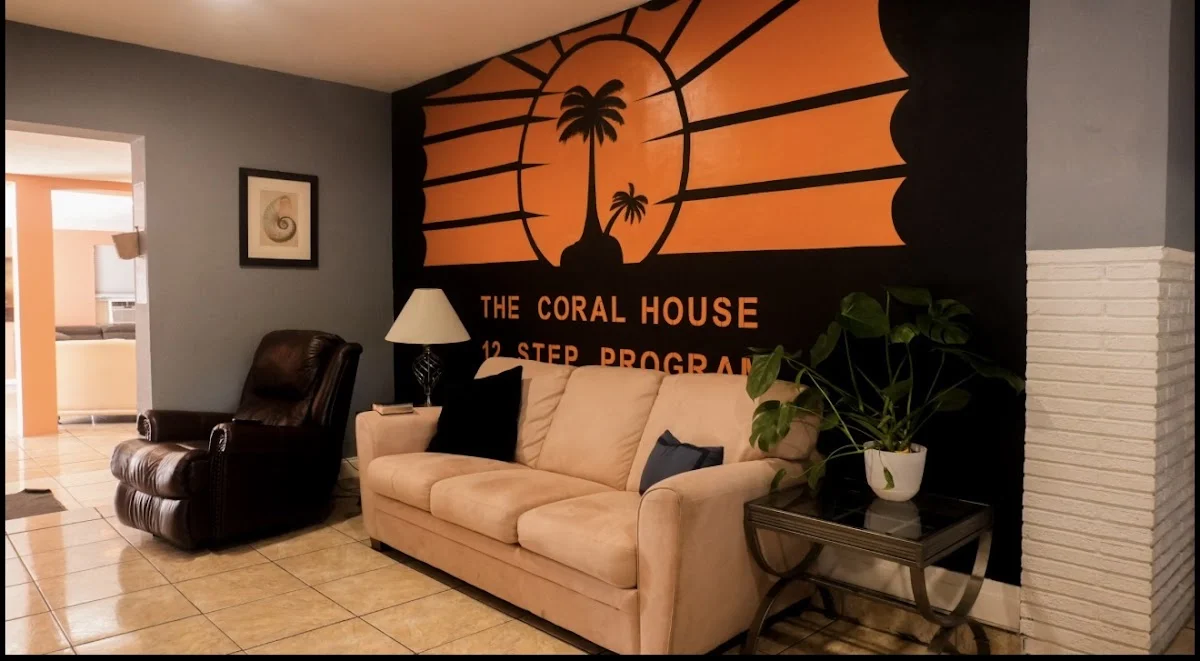
Choosing the right sober living home is a significant step in the journey toward recovery. In Kansas, KS, where the landscape of recovery support can vary, understanding what to look for in a sober living environment can make all the difference. This guide will help you navigate the essential factors to consider, red flags to avoid, and questions to ask, ensuring that you select a supportive and nurturing space for your recovery.
What Makes a Quality Sober Living Home?
A quality sober living home provides more than just a roof over your head. Here are some key characteristics to look for:
- Safe Environment: The home should be in a safe neighborhood and have secure premises.
- Supportive Community: Residents should be encouraged to support each other, fostering a sense of belonging.
- Structured Living: A good sober home will have a daily schedule that includes chores, meetings, and recreational activities.
- Access to Resources: Quality homes often provide access to counseling services, job training, and life skills workshops.
- Clear House Rules: Well-defined rules help maintain order and promote accountability among residents.
Red Flags to Avoid
When searching for a sober living home, it’s crucial to be aware of potential warning signs. Here are some red flags to watch out for:
- Lack of Licensing: Ensure the home is licensed and follows local regulations.
- High Turnover Rate: Frequent turnover may indicate unresolved issues within the home.
- Inadequate Staff Support: Homes should have trained staff available to assist residents.
- Unclear or Unreasonable Rules: If rules seem arbitrary or are not consistently enforced, it may signal a lack of structure.
- Unrealistic Promises: Be cautious of homes that guarantee recovery or make lofty promises without substantiation.
Questions to Ask During Tours
When visiting sober living homes, asking the right questions can provide insight into the environment and management practices. Consider these inquiries:
- What are the house rules? Understanding expectations can help you gauge if the environment is a good fit.
- What is the staff-to-resident ratio? A lower ratio often means more personalized attention.
- What recovery programs are offered? Inquire about counseling, support groups, and any additional resources.
- How are conflicts among residents handled? Conflict resolution strategies are essential for a harmonious living environment.
- What is the policy regarding visitors? Knowing the rules about outside interactions can help you anticipate potential challenges.
House Rules and Expectations
Every sober living home will have its own set of rules, but some common expectations include:
- Abstinence: Residents must remain sober and refrain from substance use.
- Daily Check-ins: Regular check-ins can help keep everyone accountable.
- Chores and Responsibilities: Contributing to the upkeep of the home fosters teamwork and responsibility.
- Participation in Meetings: Active involvement in support meetings encourages ongoing recovery efforts.
- No Overnight Guests: Limiting visitors helps maintain a focus on recovery.
Cost and Financial Assistance
Understanding the cost of sober living homes is vital for planning your recovery journey. Costs can vary widely based on location and amenities. Here are some options for financial assistance:
- Insurance Coverage: Check with your insurance provider to see if they cover sober living expenses.
- Sliding Scale Fees: Some homes offer fees based on your income and financial situation.
- Local Grants and Scholarships: Research local organizations that may offer financial support for recovery housing.
- Payment Plans: Discuss with the management if payment plans are available to ease financial burdens.
The Difference Between Level 1 and Level 2 Sober Homes
Understanding the difference between Level 1 and Level 2 sober homes can help you choose the right environment:
- Level 1 Sober Homes: These are often more relaxed, focusing on peer support and accountability without intensive supervision.
- Level 2 Sober Homes: These provide a more structured environment, often requiring participation in recovery programs and offering more oversight.
How to Find Certified Sober Homes in Kansas
Finding certified sober homes is essential for ensuring quality care. Here are some resources to consider:
- National Alliance for Recovery Residences (NARR): This organization provides a searchable database of certified homes.
- Local Recovery Organizations: Reach out to local recovery centers for recommendations.
- Online Directories: Websites dedicated to recovery resources often list certified sober homes.
- Support Groups: Engaging with local support groups can lead to valuable recommendations.
Success Tips for Sober Living
To thrive in a sober living home, consider these success tips:
- Stay Engaged: Actively participate in house activities and recovery programs.
- Build Relationships: Create connections with other residents for mutual support.
- Set Personal Goals: Focus on personal growth and set achievable recovery goals.
- Communicate Openly: Be honest about your feelings and experiences with housemates and staff.
- Seek Help When Needed: Don’t hesitate to reach out for support if you’re struggling.
Choosing the right sober living home is a crucial step in your recovery journey. By considering the factors outlined in this guide, you can find a nurturing and supportive environment that aligns with your recovery goals. Remember, you are not alone, and there is a community ready to support you.